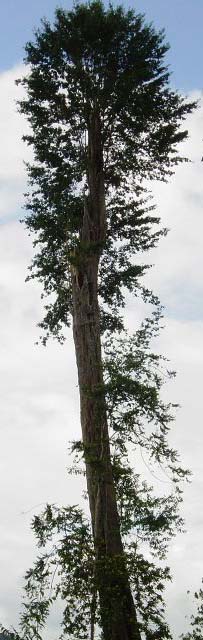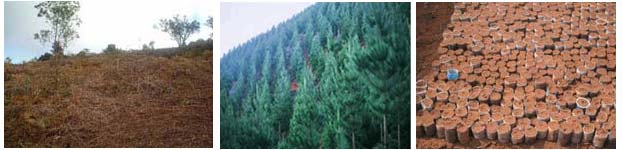
- Change the people’s attitude and behavior at Wangama ward on conservation activities, that is why now all people are willing to contribute their labor force towards conservation activities in their areas and all women, youths are duty willingly working together in the projects activities
- Stemmed soil erosion by putting land to productive use, soil erosion has been controlled by planting tree on eroded land and awareness raising on good agricultural practices, which make sure that the soil, and vegetation cover is maintained.
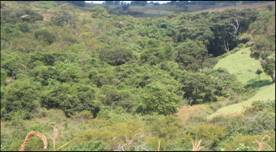
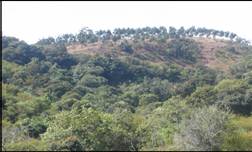
Natural forests with high level of biodiversity should be preserved
- Regenerated near-extinct species The two endangered native trees in the area, which are beneficial to water sources management and native timber are mivengi (syzgium cardatum) and midobole (hagenia abyssinica) respectively. We have planted 5,000 trees for both the species and conserved forests have created environment where large and small animals live comfortably.
- Both trees and plants for food crops and forest cover have been conserved and preserved.
- Made easily available wood, obviating the need for women and school children traveling long distances for firewood searching.
- In the process it has created employment for over 25 local youth who work in the nursery and in tree farms management works like tree pruning, planting and thinning at Wangama village
- Improve the livelihoods and status of the wider community,
- Raised awareness of the value of environmental conservation and of the beauty of the natural environment.
Towards achieving the MDG
- Eradicating extreme poverty and hunger- environmental resources has improved livelihood and well-being; women participate in income generating activities as they have cooking fuel around.
- Achieving universal primary education; as the time children spent collecting water and fuel-wood can now be spent at school.
- Promote gender equality and empower women; the time women spent on collecting water and fuel wood reduced their opportunity for income generating work, have now reversed poor rural women often depend heavily on natural resources.
- Reduce child mortality; good water resources management reduces mortality related to water borne diseases; women have more time to take care of children and attend childcare for periodical checkups.
- Ensure environmental sustainability; improvement of environmental resources and sustainability of water resources